
10.38 laminated glass price
The Plain vs. Block Debate Perspectives on Design and Functionality In the world of architecture and design, debates often arise regarding the choice of forms, materials, and styles. One such ongoing discussion is the contrast between plain designs and block designs. This thematic exploration investigates the aesthetics, functionality, and cultural implications of these two diverse approaches, providing insight into why designers may favor one over the other. The Plain vs . Block Debate Perspectives on Design and Functionality Conversely, block design typically features bold shapes and pronounced volumes. This style thrives on robustness and geometric forms. Block structures can create a sense of presence and authority, often being utilized in commercial buildings, public spaces, and modern homes. The use of concrete, steel, and glass enhances the feeling of strength and permanence. Many architects, like Louis Kahn and Le Corbusier, have embraced block design to craft monumental structures that serve as both functional spaces and works of art. Block design can evoke a sense of modernity, innovation, and even playfulness when creatively employed. plain v block The choice between plain and block designs can significantly impact the functionality of a space. Plain designs may be more adaptable, allowing for easier integration of various furnishings and decor styles. They provide a versatile backdrop that can easily be modified as needs change. In contrast, block designs often impose a specific character on a space, making it more distinctive and memorable. This can be advantageous in creating landmark buildings that define a city’s skyline or cultural identity. Furthermore, cultural context plays a pivotal role in determining the preference for plain versus block designs. In some regions, plain designs may reflect a desire for harmony with nature and sustainability, aligning with local values and traditions. Simplicity can symbolize a return to fundamental human experiences, promoting a sense of belonging and peace. On the other hand, block designs might resonate with urban populations that seek to express progress, innovation, and individuality in rapidly evolving environments. However, the debate between plain and block design is not merely about aesthetic preference. It often reflects broader societal trends and values. For example, during periods of economic prosperity, block designs may become more popular as people celebrate wealth and status through imposing architectural statements. Conversely, during times of economic uncertainty, plain designs might gain favor as communities seek comfort and stability through simplicity. In conclusion, the conversation surrounding plain versus block design encapsulates much more than personal style preference; it reveals deeper insights into cultural values, societal trends, and the psychological impacts of architecture. Each design philosophy carries its unique strengths and weaknesses, and the ultimate choice often depends on specific contextual needs. As designers continue to push boundaries and explore hybrid forms, the interplay between plain and block will remain a central theme in the evolution of architecture and design, continually shaping our built environment. The richness of this debate invites not only architects but also the public to engage in understanding and appreciating the spaces we inhabit.
about
10.38 laminated glass price
Understanding Pressure Control Valves A Key Component in Fluid Systems Pressure control valves play a crucial role in fluid systems, ensuring that the pressure within piping networks remains within designated limits. These valves are integral to various applications, including water treatment facilities, chemical processing, and HVAC systems. In this article, we will explore the working principles, types, and applications of pressure control valves, highlighting their importance in maintaining system efficiency and safety. What is a Pressure Control Valve? A pressure control valve (PCV) is a mechanical device used to modulate the pressure of fluids within a system. By automatically adjusting the flow rate of the fluid, these valves ensure that the pressure does not exceed or fall below the desired setpoint. This capability makes them essential for protecting equipment, enhancing efficiency, and ensuring safe operations. How Do Pressure Control Valves Work? The operation of a pressure control valve is relatively straightforward. These valves can be categorized into two primary functions pressure relief and pressure regulation. 1. Pressure Relief Valves These valves are designed to release excess pressure from the system. When the fluid pressure exceeds a specified threshold, the valve opens, allowing fluid to escape, thereby preventing damage to pipes and equipment. Once the pressure drops to acceptable levels, the valve automatically closes, restoring normal system conditions. 2. Pressure Regulating Valves Unlike relief valves, pressure regulating valves maintain a constant downstream pressure despite fluctuations in upstream pressure or flow rates. They achieve this by adjusting the valve opening in response to changes in pressure. When downstream pressure drops, the valve opens more to allow additional fluid flow; conversely, when the pressure is too high, the valve closes to restrict flow. Types of Pressure Control Valves Pressure control valves come in various designs, each suited for specific applications. Some of the most common types include - Spring-Loaded Valves These valves use a spring mechanism to provide the necessary force to open or close the valve in response to pressure changes. They are widely used in both pressure relief and regulation applications. pressure control valve - Pilot-Operated Valves These valves utilize a smaller pilot valve to control the opening and closing of a larger main valve, allowing for more precise control over the system pressure. They are particularly useful in high-pressure applications. - Electronic Valves With advancements in technology, electronic pressure control valves have emerged . These valves use sensors and actuators to provide real-time pressure regulation, allowing for more sophisticated and responsive pressure management. Applications of Pressure Control Valves Pressure control valves are used in a wide range of industries, including - Water and Wastewater Treatment PCVs ensure that pressure levels are maintained in treatment plants and distribution systems, safeguarding against system failures and ensuring effective water delivery. - Chemical Processing In chemical manufacturing, precise pressure control is often critical to ensure safety and product quality. PCVs help manage the pressure of various processes, preventing hazardous conditions. - Oil and Gas In the oil and gas industry, pressure control valves regulate the pressure in pipelines and processing facilities, preventing leaks and ensuring safe operations. - HVAC Systems In heating, ventilation, and air conditioning systems, PCVs help maintain optimal pressure levels, contributing to energy efficiency and system reliability. Conclusion In conclusion, pressure control valves are indispensable tools for managing fluid systems across diverse industries. Their ability to regulate and relieve pressure enhances operational safety, increases efficiency, and protects critical equipment from failure. As technology continues to evolve, the design and functionality of pressure control valves will likely become even more advanced, driving improvements in fluid management and system design. Understanding their importance and operation is essential for professionals working in fields involving fluid dynamics and process engineering.
-

High quality industrial productsagement

High quality industrial products
View Details -

Meet the diverse needs of customers

Meet the diverse needs of customers
View Details -

Strict quality control

Strict quality control
View Details -

Top raw materials

Top raw materials
View Details -

Trusted supplier

Trusted supplier
View Details
Our application


news and information

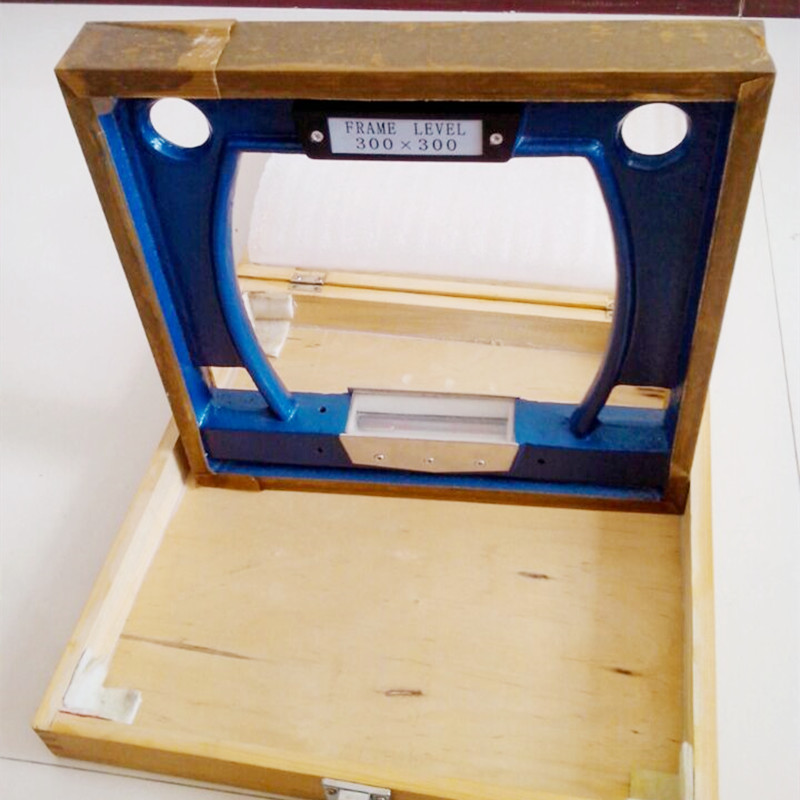
Using a Spirit Level for Accurate and Precise Measurements in Various Applications
Reading a Spirit Level A spirit level is an essential tool for anyone who wants to ensure that surfa

Vanne à soupape flanquée 4 pouces pour applications industrielles et domestiques
Vanne à opercule de 4 pouces avec brides une solution fiable pour les systèmes de conduits Les vann
Welding Inspection Ruler for Accurate Joint Measurement and Quality Control
The Importance of Welding Inspection Rulers in Quality Control Welding is a critical process in nume
 English